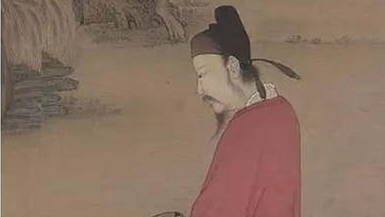
Zhao Ji (Emperor Huizong of the Song Dynasty)
Introduction
Zhao Ji, also known as Emperor Huizong of the Song Dynasty, reigned from 1100 to 1126 and is remembered as one of the most artistic and culturally influential emperors in Chinese history. Born in 1082, Zhao Ji was the eighth son of Emperor Shenzong and ascended to the throne after the death of his brother, Emperor Zhezong. Despite being an ineffectual ruler in terms of politics and military affairs, Huizong's contributions to art and culture have left a lasting legacy.
Huizong's reign is noted for its remarkable artistic achievements. He was a patron of the arts and an accomplished artist himself, excelling in painting, calligraphy, and poetry. His passion for the arts led to the flourishing of cultural activities during his reign. Huizong is particularly famous for his calligraphy style, known as "Slender Gold," which is characterized by its delicate and twisting forms. Additionally, under his patronage, the court became a center of artistic innovation, attracting talented artists and scholars from across the empire.
Early Life
Zhao Ji was born in 1082 as the eighth son of Emperor Shenzong of the Song Dynasty. From a young age, Zhao Ji exhibited an interest in the arts, which would become a defining characteristic of his later life and reign. Growing up in the imperial court, he received a comprehensive education that included the study of Confucian classics, literature, and the arts. His early exposure to the cultural and intellectual environment of the Song court played a significant role in shaping his artistic inclinations.
Zhao Ji's upbringing in the cultural milieu of the Song court instilled in him a deep appreciation for the fine arts. He demonstrated a talent for painting and calligraphy, disciplines in which he would later achieve great renown. His artistic abilities were nurtured by the court's atmosphere, which valued cultural and intellectual pursuits. This early environment would profoundly influence Huizong's reign as an emperor, as he sought to foster a similar cultural flourishing.
Ascension to the Throne
Zhao Ji ascended to the throne in 1100 following the death of his elder brother, Emperor Zhezong. His rise to power marked the beginning of his reign as Emperor Huizong of the Song Dynasty. Despite being the eighth son, Zhao Ji's artistic talents and refined demeanor endeared him to his father and the court, paving the way for his eventual succession.
As emperor, Huizong's focus on the arts and culture was immediately apparent. He surrounded himself with artists, poets, and scholars, fostering an environment that celebrated creativity and intellectual achievement. Huizong's commitment to the arts was reflected in his policies, which prioritized cultural development and patronage. His court became a vibrant hub of artistic activity, attracting some of the most talented individuals of his time.
Contributions
During his reign, Emperor Huizong significantly influenced the cultural landscape of the Song Dynasty. His contributions to art and culture were profound, with his court serving as a center of artistic innovation and expression. Huizong's reign witnessed the flourishing of painting, calligraphy, music, and literature, leaving a lasting impact on Chinese culture.
Cultural Achievements
Huizong's cultural achievements are most evident in his patronage of the arts. He established the Hanlin Academy of Painting, which became a prestigious institution for training and nurturing talented artists. The academy emphasized the study of naturalistic painting, focusing on subjects such as birds, flowers, and landscapes. This approach to art became synonymous with the Huizong era and had a lasting influence on Chinese painting.
One of Huizong's most celebrated artistic contributions is his development of the "Slender Gold" calligraphy style. This distinctive form of calligraphy is characterized by its elegant and flowing lines, resembling twisted and turned gold filaments. Huizong's calligraphy style became widely admired and emulated, cementing his reputation as a master calligrapher.
In addition to visual arts, Huizong was also a patron of music and poetry. He encouraged the composition and performance of music at court, fostering a rich musical culture. His interest in poetry led to the compilation of anthologies and the promotion of poetic expression.








